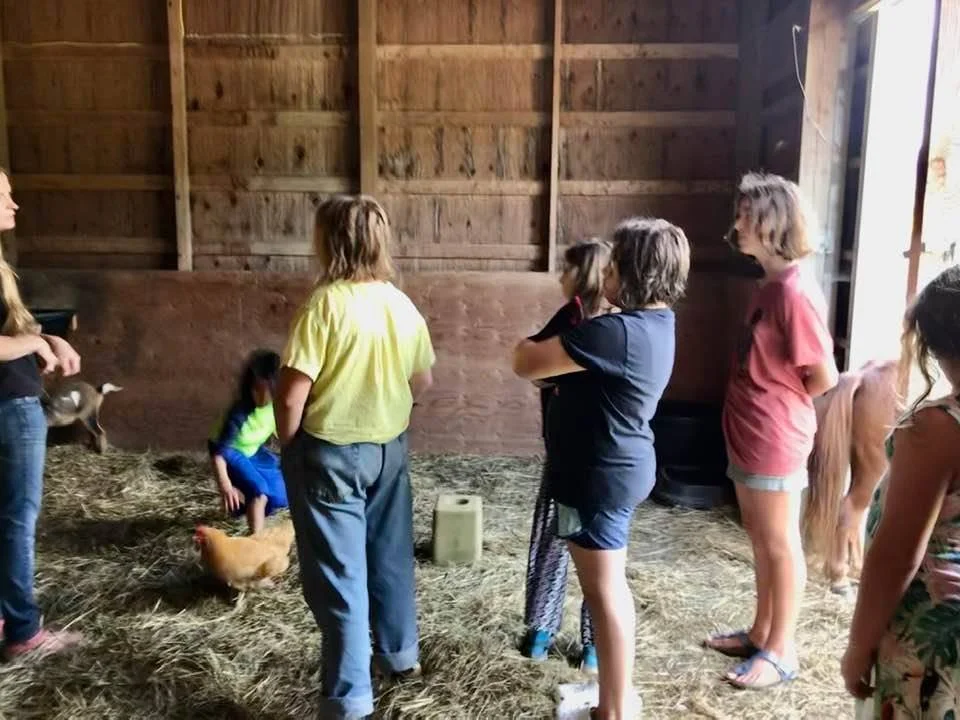
Our Six Pillars
Building literacy and mathematical reasoning in the real world, for the real world.
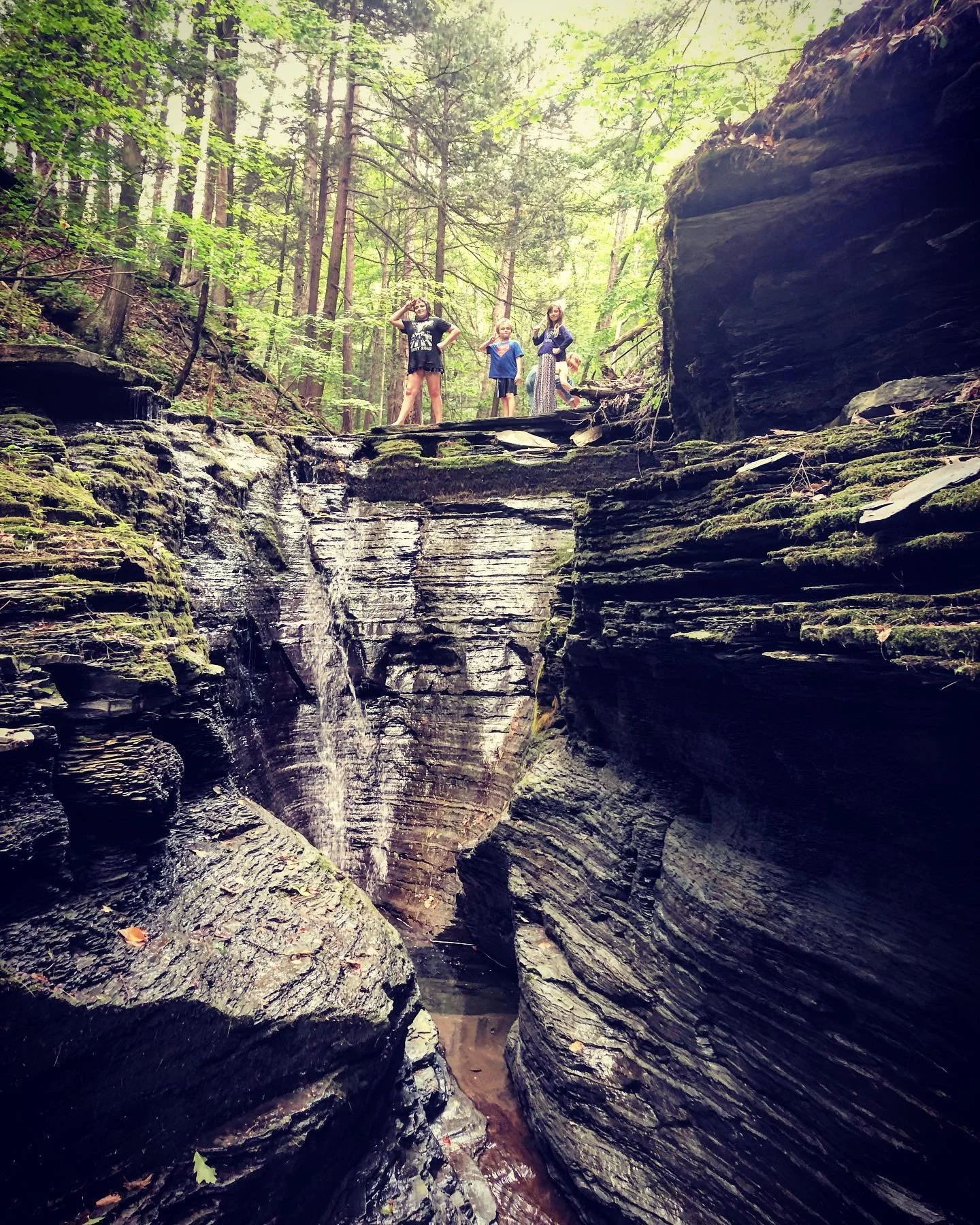
Program Calendar & Seasonal Structure
Fall (September–November): Foundations & Harvest
Ecological observation and stream studies
Plant identification and seed saving
Orchard and vineyard harvesting
Food processing (applesauce, cider, jam, baking)
Introduction to entrepreneurship (farm stand planning)
Winter (December–February): Reflection & Creation
Cooking, baking, and food science
Sewing and textile work
Theatre production and performance
Public speaking and presentations
Fossils, geology, and indoor science studies
Spring (March–June): Growth & Systems
Seed starting and soil preparation
Planting and garden management
Pest ecology and companion planting
Animal care and pasture studies
Foraging and ecosystem exploration
Summer Break (July–August)
Program is not in session. Optional future opportunity: summer camps or workshops.
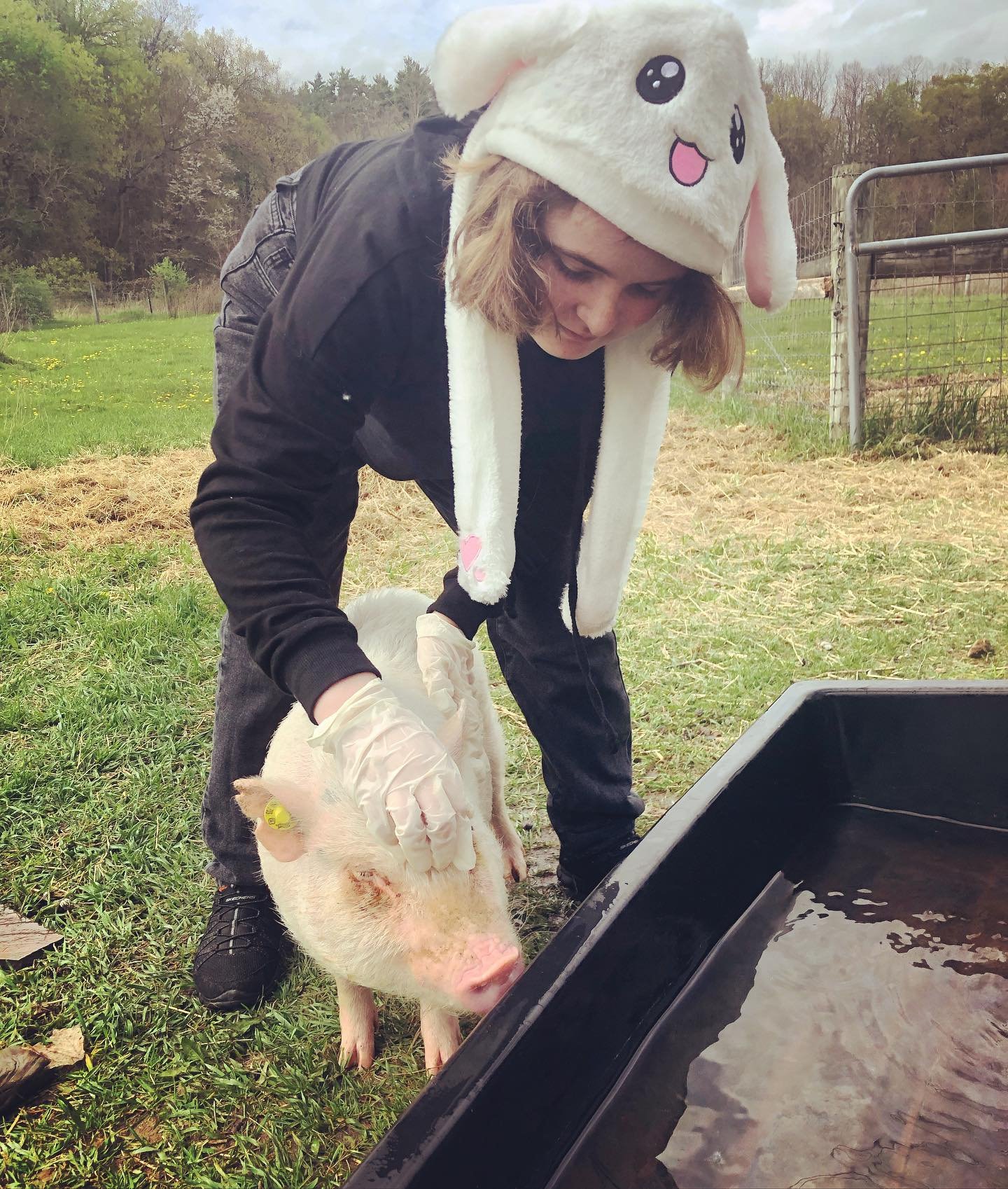
1. Ecology & Environmental Science
Students investigate and interact with natural ecosystems through:
Stream health surveys using macroinvertebrates as bioindicators
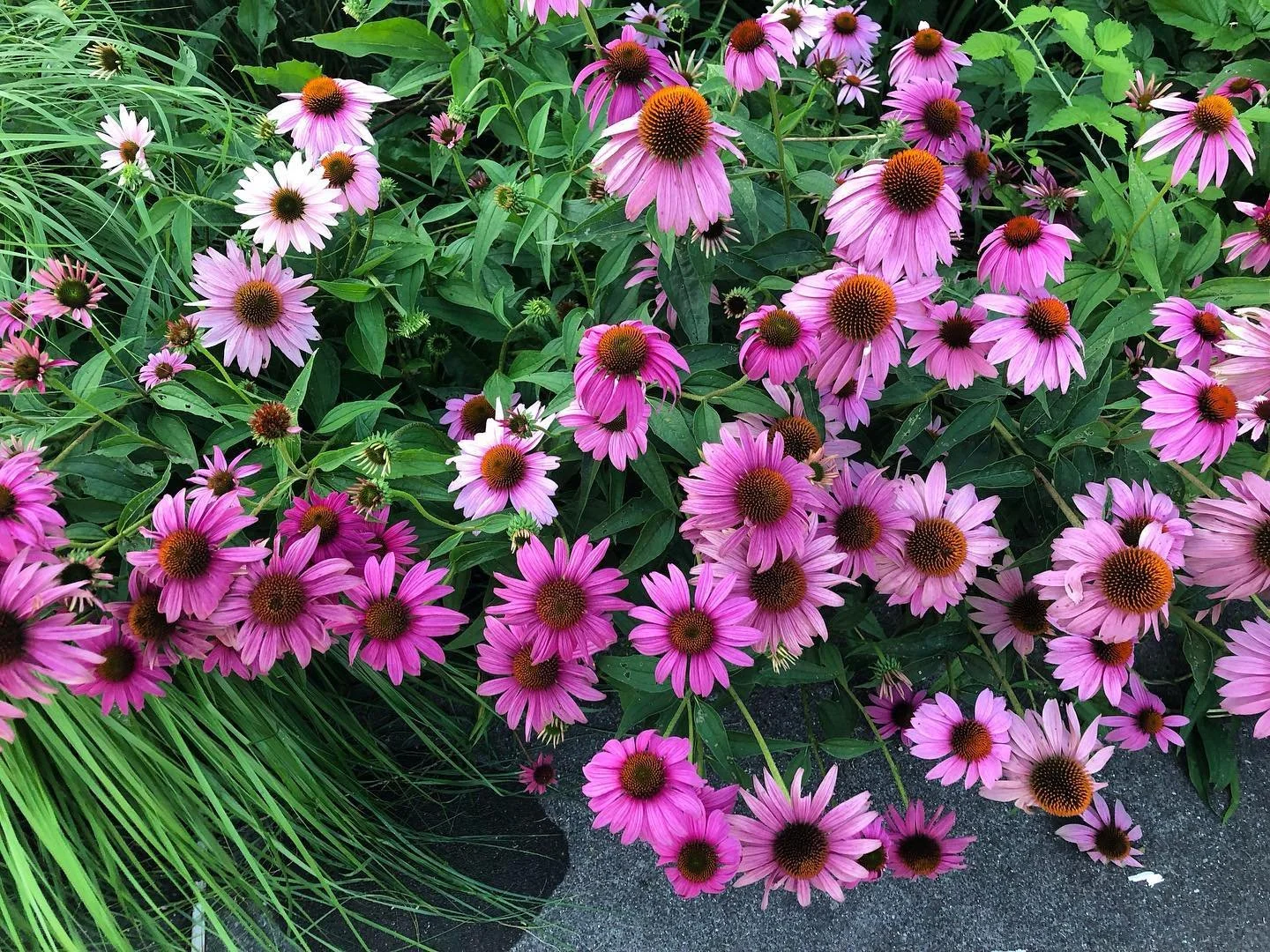
Plant identification and botanical studies
Soil science and composting
Pest ecology (symbiosis, parasitism, mutualism, co-evolution)
Foraging and fungal identification
Pasture biodiversity and animal impact studies
2. Agriculture & Food Systems
Students participate in the full cycle of food production:
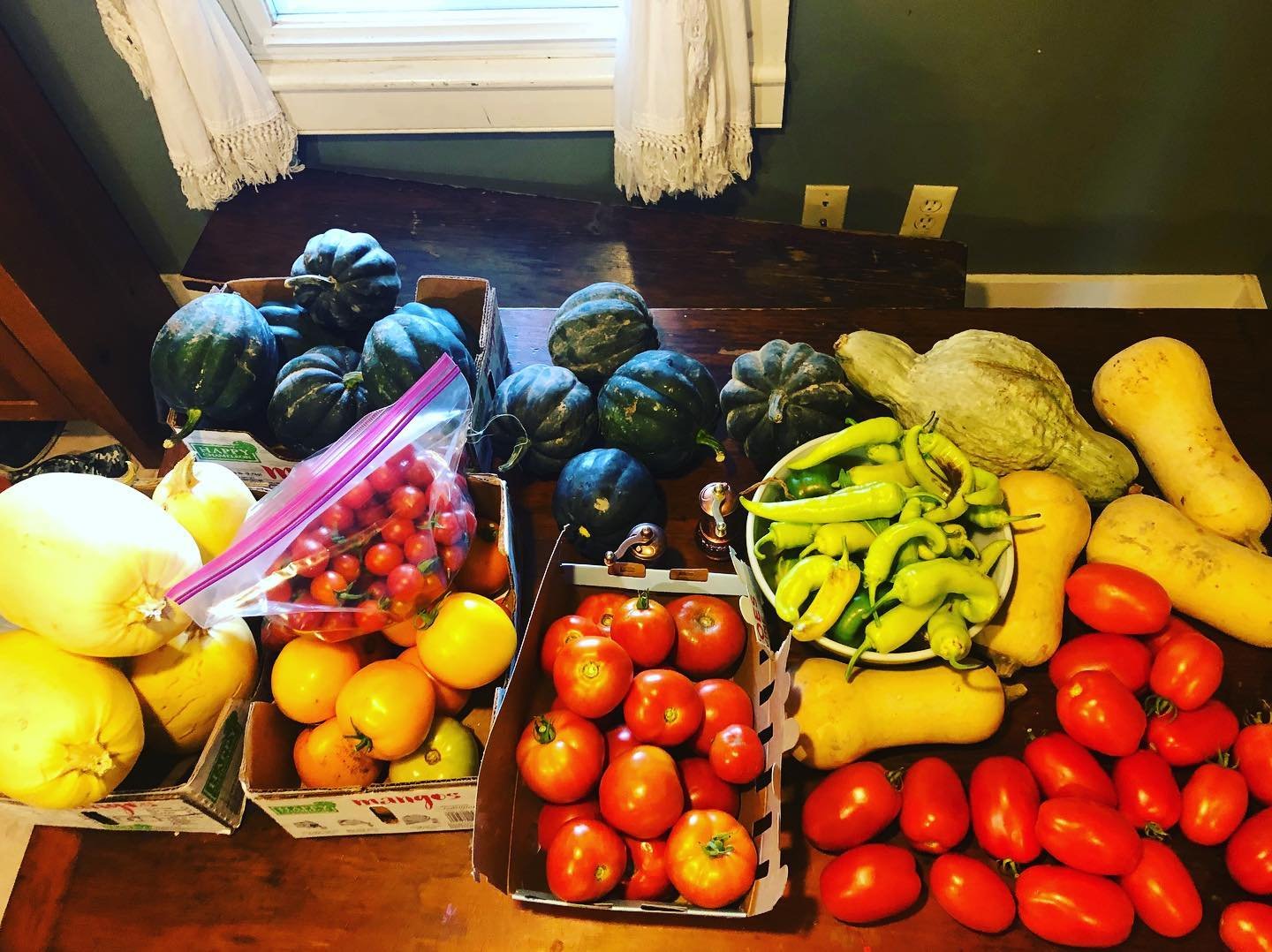
Growing fruits, vegetables, and herbs
Orchard and vineyard care
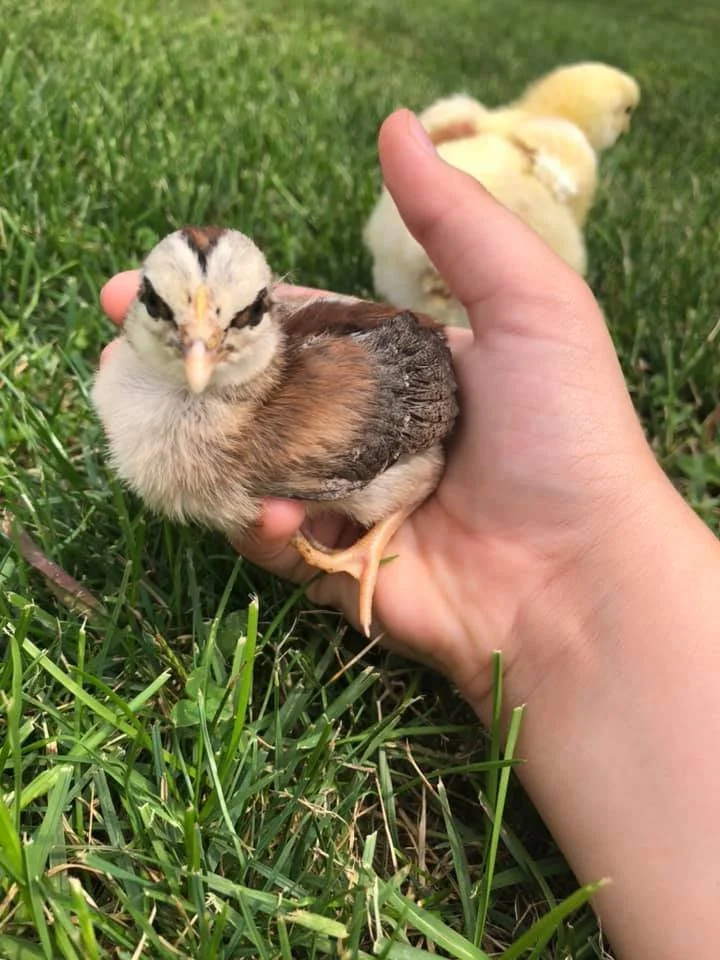
Animal husbandry (poultry, goats, pigs, dairy animals)
Egg and dairy production
Seasonal harvesting and crop management
3. Traditional Skills & Sustainability
Students develop practical and survival-based competencies:
Fire building and outdoor cooking
Shelter and fort construction
Primitive tool-making and basic repair
Sewing and textile repair
Food preservation (canning, fermenting, drying)
4. Culinary Arts & Food Preparation
Students transform raw ingredients into finished products:
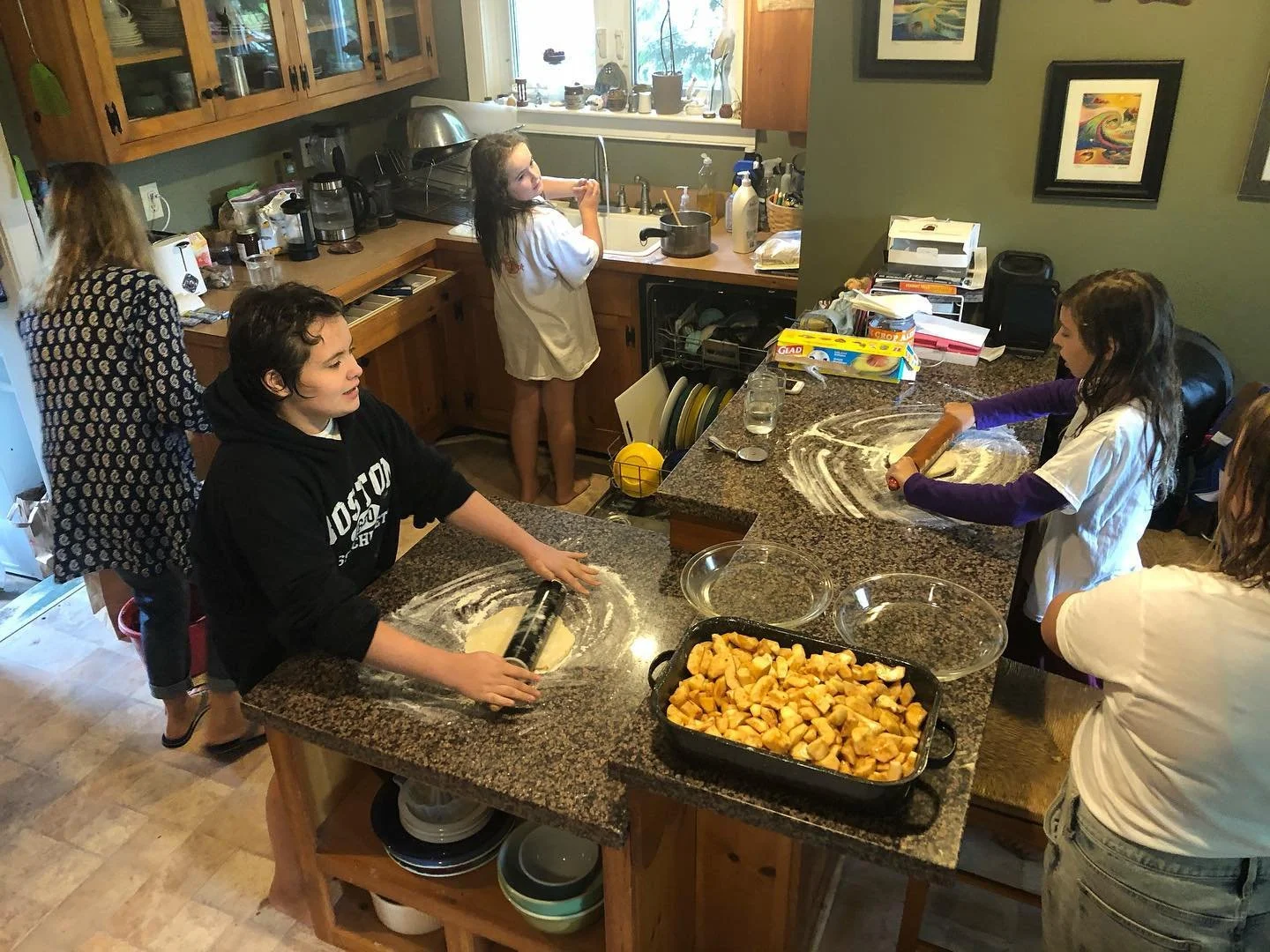
Bread, pie, and meal preparation
Applesauce and cider production
Jam and jelly making
Cheese and dairy processing
Maple syrup production
5. Communication, Arts & Culture
Students build confidence and expressive skills through:
Public speaking (informational, persuasive, and instructional presentations)
Theatre and performance production
Costume and mask creation
Letter writing and pen pal exchanges
Study of Indigenous history and agricultural practices
Creative writing
6. Entrepreneurship & Community Engagement
Students learn economic and civic responsibility through:
Selling farm products (produce, eggs, value-added goods)
Basic budgeting, pricing, and profit analysis
Community service and outreach projects
Participation in farm stands or local markets
The Founder’s Story
Nikki Fox is an educator and scientist with a deep commitment to experiential, nature-based learning. She graduated from Wells College in 2008 with a Bachelor of Arts in Biological and Chemical Science and a minor in Secondary Education. She obtained her initial New York State teaching certification in secondary-level biology.
Early in her career, Nikki taught environmental science and local ecology through hands-on programming with the Cayuga Lake Floating Classroom and the Cayuga Nature Center, fostering students’ understanding of watershed systems and the natural world. She completed her student teaching at Lehman Alternative Community School and went on to work as an alternative instructor with the Ithaca City School District, where she supported students with significant behavioral and academic challenges through individualized instruction.
Nikki later taught at a residential treatment center for at-risk youth, where she was trained in Therapeutic Crisis Intervention (TCI) as part of the CARE (Children and Residential Experiences) program. In this role, she worked closely with youth experiencing severe trauma, including those in the foster care and juvenile justice systems, as well as students with complex developmental and emotional needs. She developed individualized education programs (IEPs), oversaw both special education and general science curricula, and was selected to design a comprehensive, hands-on science curriculum spanning elementary through high school levels. This curriculum was adopted and implemented across multiple campuses within the agency.
Following her work in education, Nikki spent 15 years managing research laboratories at Cornell University. Her work connected her with a wide network of local farmers, agricultural researchers, ecologists, and neuroscientists, enriching her interdisciplinary perspective on learning, land stewardship, and human development.
Nikki is also the mother of five children, ranging in age from early childhood through adolescence. During the pandemic, she homeschooled her children and a small group of their peers—an experience that planted the seed for what would become Rooted Learning. Through both her professional work and personal experience, she has observed how increasing digital immersion can erode confidence, independence, and essential life skills in some children.
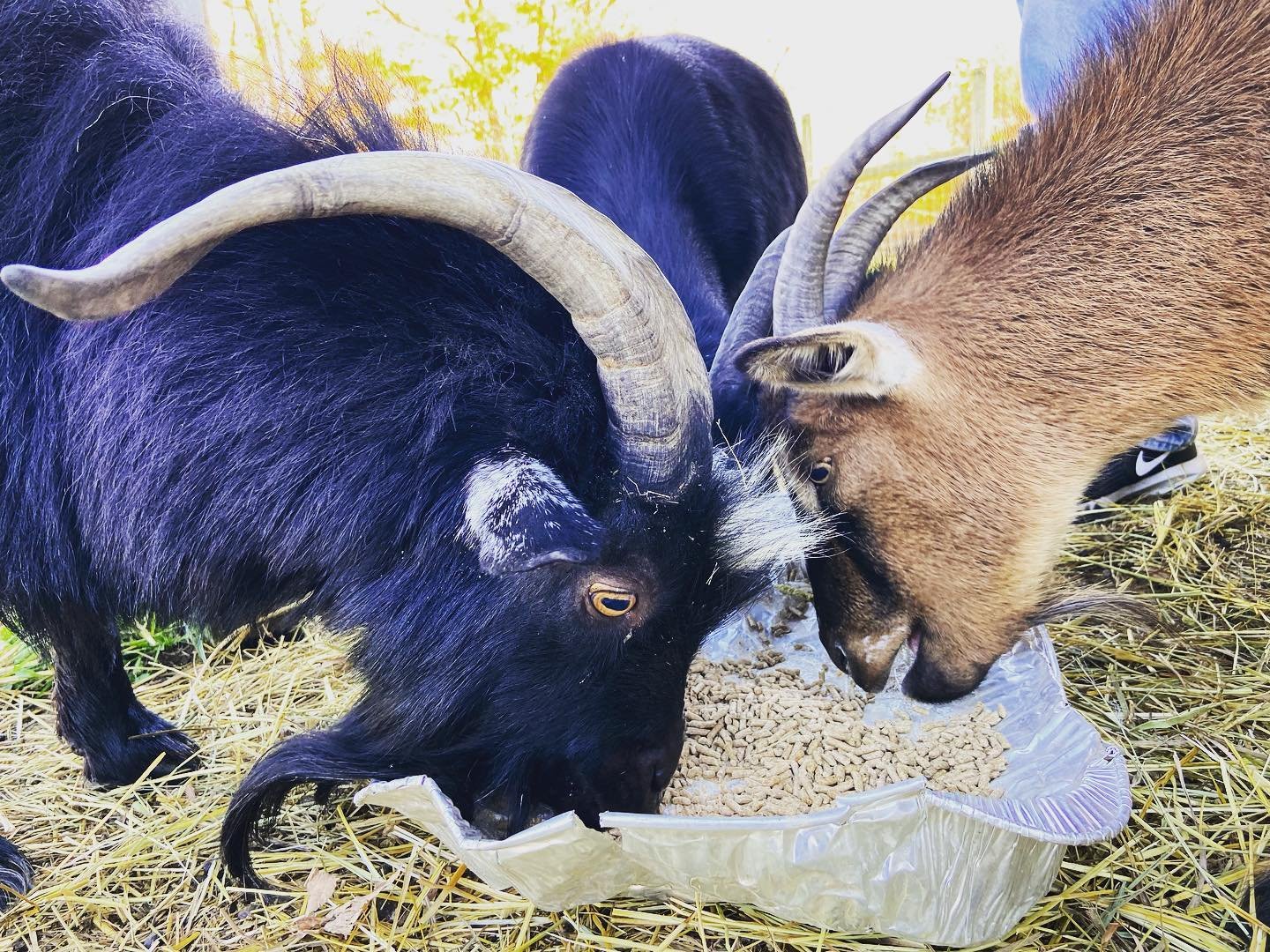
On their 3.5-acre hobby farm, Nikki and her family raise Nigerian dwarf goats, chickens, and previously, peacocks, and care for retired, laboratory research, Göttingen pigs. Nikki’s teaching philosophy is grounded in the belief that children develop best through meaningful connection—with nature, with their hands, with one another, and with mentors across generations.
Rooted Learning was created as a response to that belief: a bridge back to real-world, immersive learning. Nikki envisions a place where children grow food, solve problems collaboratively, engage deeply with their environment, and build the confidence and resilience that come from authentic experience.
She invites families to join in reconnecting—to the land, to community, and to the joy of learning—through Rooted Learning.